TLDR: Housing is the unit; a home is what that unit becomes once there is a bed, a table and somewhere to sit. Most housing systems stop counting at the keys, so the step between the two often has no owner. Furniture banks work in that gap. The evidence that furniture improves sleep and dignity is consistent; the evidence that it keeps people housed does not exist yet.
Why does the difference matter?
Because the system calls a person “housed” the day they get keys, even if they sleep on the floor that night.
Picture the policy diagram. There is a box marked shelter, an arrow, and a box marked housed. The furniture is supposed to appear on its own. In practice, nobody is assigned to it.
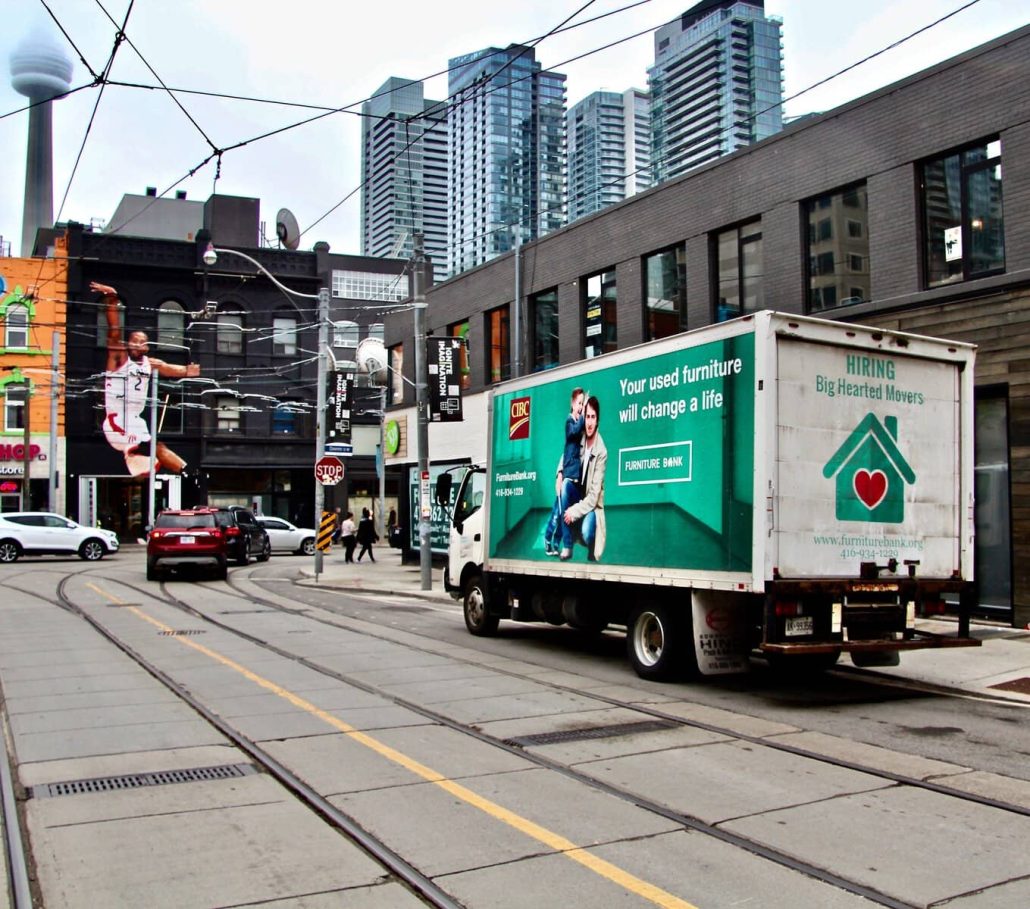
Furniture Bank in Toronto gave this missing step a name: homing. It means turning empty housing into a place someone can live, through furniture, personal items and community support. Food poverty has a whole vocabulary: hunger, food insecurity, food deserts. Poverty inside the home has almost none. A problem nobody can name is hard to fund.
| Empty housing | Furnished home |
|---|---|
| Shelter from weather | A base for daily life |
| Feels temporary | Feels settled and safe |
| Sleeping, cooking and studying are a struggle | Rest, meals, homework and visitors are possible |
| A unit you occupy | A place you belong |
What does an empty apartment feel like to the person living in it?
People who have lived it describe the same things: floors for beds, no table, and no visitors.
A participant in a 2007 study of people leaving homelessness in Windsor-Essex, Ontario, put it in one line: “Right now it still feels like I am homeless because I got an apartment but nothing in the apartment.”
The most direct North American study comes from the Detroit area. Researchers interviewed people who had left homelessness and later received furniture, and published the results in 2022 (Nubani et al., Journal of Community Psychology). Three findings stand out:
- Life before furniture happened on the floor. People were sleeping, eating and living there.
- Some preferred the shelter. One participant said living in a shelter with furniture was better than his own place without it.
- An empty home closes its own door. People said they were embarrassed to have anyone over.
That last point rarely shows up in a housing report. Shame keeps visitors away, and isolation follows.
An empty apartment can feel worse than a shelter. Someone who had lived in both told researchers exactly that.
Why does sleep come first?
Because a bed is the piece of furniture with the strongest evidence behind it.
- Children’s health researchers already say so. PolicyLab at Children’s Hospital of Philadelphia states that living without a bed or designated sleep space can make it hard for children to get healthy sleep.
- A bed was linked to longer sleep. In a 2016 study of 152 children aged 2 to 12, every child received a bed. Parents reported longer nighttime sleep for all of them (Mindell et al., Journal of Clinical Sleep Medicine). There was no comparison group, so the honest phrase is “associated with”.
- Families rank beds first. In the Detroit study, participants named beds as the most important item they received, followed by sofas, tables and chairs.
Parents in that study also described children who could not stay attentive at school after sleeping badly. The tired child at the back of the class may simply have no bed.
After the bed come the sofa and the table. The table is where meals, homework and visitors happen.
Does furniture keep people housed?
Nobody has proven it yet. This is the claim the sector most often overstates, so here is what the evidence does and does not say.
What is solid: Housing First works. Canada’s At Home/Chez Soi trial followed 2,148 people in five cities from 2009 to 2013. In the final six months, 62% of Housing First participants were housed all of the time, against 31% of those receiving usual services. None of those studies tested furniture, so their numbers do not belong in a furniture claim.
What practitioners report: caseworkers and furniture bank staff tell stories of people who abandoned a unit because nothing was in it. In the UK, a 2021 End Furniture Poverty report found social landlords and tenants said furniture can help tenancies last (No Place Like Home). That is testimony. Nobody has measured it.
What cuts the other way: the Detroit researchers found that receiving furniture did not influence people’s decisions to stay in or leave their homes.
So here is the line you can defend in front of any funder:
- Say: a bed improves sleep; a furnished, chosen home supports dignity and wellbeing.
- Say: caseworkers report that empty units put tenancies at risk.
- Don’t say: furniture keeps people housed. Not until someone measures it.
A UC San Diego researcher writing in 2026 called for studies that compare similar groups who do and do not receive furniture (National League of Cities). Every furniture bank with a waiting list already holds that comparison group.
Who pays for the furniture step today?
Governments already do, quietly and unevenly. If furniture were a luxury, none of them would.
- Toronto: the City’s Housing Stabilization Fund can pay for household items when someone moves from the street, a shelter or furnished housing into an unfurnished unit. As of April 2025 the flat rates were $800 (CAD) for a single person or couple and $1,500 (CAD) for a family with children, and the same money also covers last month’s rent (City of Toronto).
- United States: under its funding notice for grants starting 1 October 2026, the Department of Veterans Affairs lets Supportive Services for Veteran Families grantees pay up to $1,000 (USD) per veteran family toward move-in costs, including furniture (VA, January 2026).
In Canada, the furniture step sits inside provincial and municipal programs, so it varies city by city. In the US it arrives through program rules. Where no program covers it, the cost falls on the household or on a furniture bank.
What should you do with this?
It depends on where you sit.
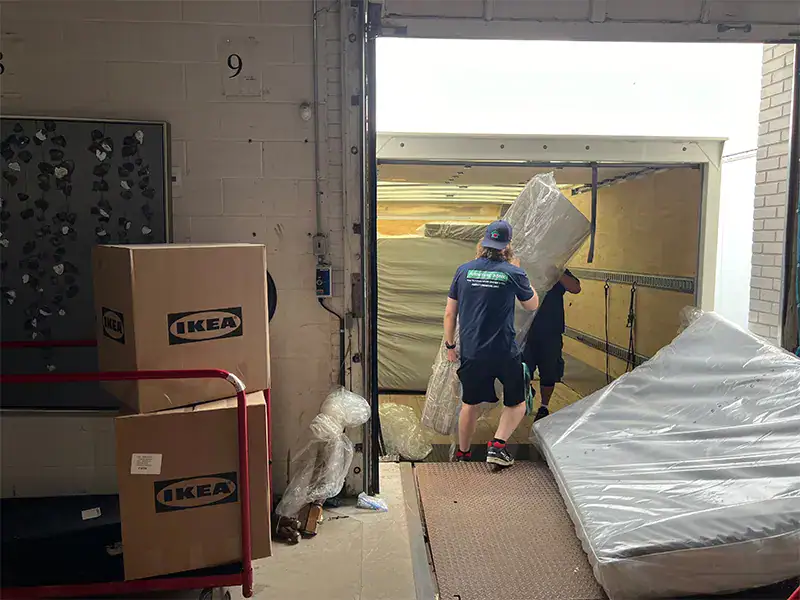
- If you place people in housing: ask before move-in day whether the unit has a bed. If it doesn’t, call your local furniture bank before the keys change hands, not after.
- If you fund housing or homelessness work: ask your grantees what happens between the keys and the first night. If nobody can answer, that is the gap.
- If you run or are starting a furniture bank: make the empty unit visible first. Ask three partner agencies one question this month: “Of the households you placed last year, how many moved into a unit with no bed?” Write the answers down. They are your first local evidence.
This article is for housing workers, funders and anyone building a furniture bank. It is not a study. Where the evidence is thin, it says so.
Frequently asked questions
What is homing? The work of turning empty housing into a home through furniture, personal items and community support. Furniture Bank in Toronto introduced the term.
Is there a study proving furniture reduces homelessness? No. The best evidence covers sleep, dignity and wellbeing. No North American study we know of has measured whether furniture helps people keep their housing.
What furniture matters most? Beds, then sofas, tables and chairs, according to people who received furniture in the Detroit study.
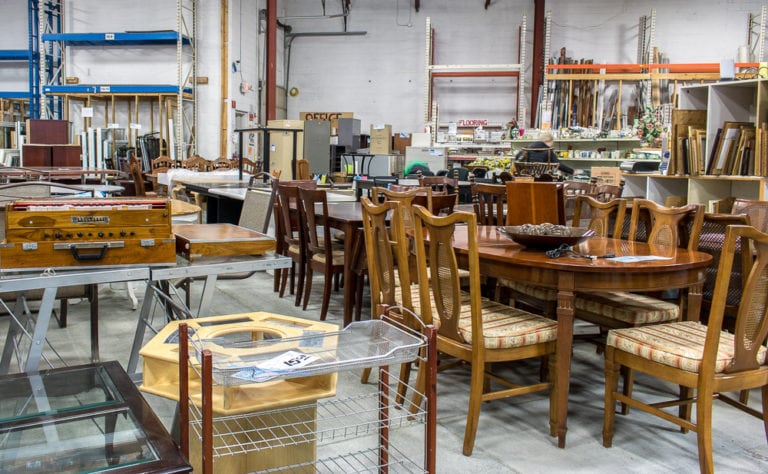
How do I find a furniture bank near me? Search the Furniture Bank Network directory of furniture banks and reuse charities across Canada and the United States, then contact the one serving your city about its referral process.
Next: What is furniture poverty, and who lives in it? · What should a small furniture bank measure first?